Hipster ZOMBIE
HipsterEXP
Plex Pass
Joined 2020
San Diego










- Other Mommy
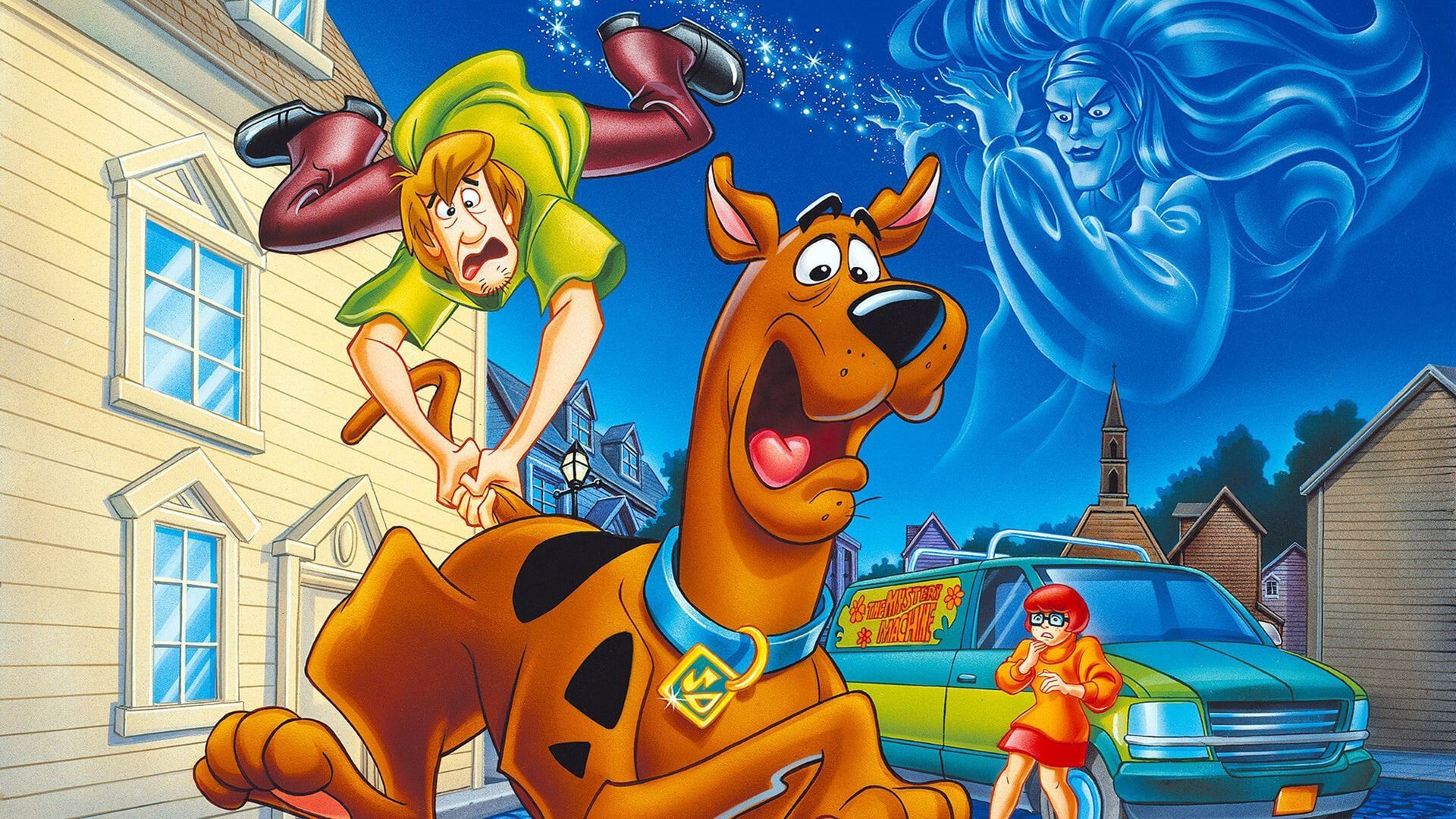
 Other Mommy has a creepy premise and a terrific double performance from Jessica Chastain, but it rushes through its story like the filmmakers had a midnight deadline. The movie relies on relentless jump scares instead of building tension, practically explains its own mythology upfront, and then throws in CGI so wonky the demon starts looking like a rejected kaiju. Chastain is genuinely unsettling, but here’s the kicker: her character is arguably more evil than the demon! She cheats on her husband, abandons him for another man, and admits she never wanted to be a mother. Meanwhile, the demon is practically begging Bela, Chastain’s daughter in the film, for a hug. When the monster seems like the better parent, you know this family needs more than an exorcist. An unnecessary ghost-hunter detour, rushed writing, and an unearned climax drag things down further. The ambiguous ending wants us wondering which mommy is real, but honestly, I was more interested in finding the exit. Chastain deserves better. The premise deserved better. And this screenplay desperately needs an exorcism.Other Mommy
 - Lanterns
 There are two genuinely great things about HBO Max’s Lanterns: Kyle Chandler as Hal Jordan and Aaron Pierre as John Stewart. The casting is damn near perfect. Chandler has the weary, seasoned swagger you want from Hal Jordan, while Pierre has the presence, intensity, and physicality to make John Stewart feel like someone who could carry the weight of the Green Lantern Corps on his shoulders. Unfortunately, that is pretty much where my praise for Lanterns ends. Because somewhere between the casting table and the writers’ room, someone apparently looked at one of DC Comics’ most colorful, hopeful, cosmic superhero franchises and said: “You know what this needs? Depression. Murder. Family trauma. A mystery box. And absolutely no fun.” Welcome to Lanterns. James Gunn’s new DC Universe has already had a rocky launch. Superman proved polarizing, and what should have felt like the beginning of an exciting new interconnected universe increasingly feels like a franchise still trying to figure out what the hell it actually wants to be. And Lanterns might be the clearest example yet. The biggest problem with Gunn’s DCU isn’t necessarily the characters. It’s the creative direction surrounding them. Lanterns takes one of DC’s most inherently cinematic concepts and strips away much of the imagination, adventure, optimism, and larger-than-life superhero mythology that makes Green Lantern special. Instead, we’re given a grim, grimy detective story desperately trying to convince us that putting Green Lanterns in a True Detective-style murder mystery automatically makes them sophisticated. It doesn’t. It just makes them Green Lanterns who aren’t having any fun being Green Lanterns. And then we get the characterization. Hal Jordan is introduced as an angry, bitter veteran who appears more interested in killing his own trainee than mentoring him. This is supposed to be one of the legendary heroes of the DC Universe? John Stewart isn’t much better. Rather than presenting Stewart as the inspiring, principled hero audiences have known for decades, the show piles on so much family dysfunction, betrayal, questionable decision-making, and morally murky behavior that you start wondering whether somebody accidentally handed the writers a villain’s character arc. John is supposed to be the hero we’re emotionally investing in. Yet he’s lying. He’s scheming. He’s participating in a plan involving Hal’s ring. And, because apparently the writers decided subtlety was for cowards, there’s even a bizarre romantic subplot involving an older woman who ultimately turns out to be connected to the villainous side of the story. It’s not edgy. It’s not groundbreaking. It’s just weird. And that’s the problem with Lanterns from beginning to end. The show constantly mistakes being cynical for being mature. There is nothing inherently wrong with giving superheroes flaws. In fact, great superhero stories are built around flaws. The problem is that these flaws are supposed to lead somewhere. That’s called a hero’s journey. You give a character weaknesses, temptations, failures, and moral conflicts, and then you watch them overcome those things. Lanterns seems much more interested in watching its characters drown in them. Then there’s Hal. When Hal finally does what a Green Lantern should actually do and chooses to save an entire town, the story somehow manages to frame him as the problem. The guy shows up and prevents innocent people from being slaughtered, and the reward is basically: Congratulations, Hal. You’re under arrest. And then John takes the ring. Hal is left behind. And eventually the show delivers the ultimate “Are you freaking kidding me?” moment: Hal Jordan is murdered. Because naturally. Why develop one of DC’s most recognizable superheroes when you can kill him off and turn his death into another giant mystery box? And that’s where the Damon Lindelof influence becomes impossible to ignore. The show seems less interested in telling a great Green Lantern story than in making you ask: “Who killed Hal Jordan?” Then: “Why did they kill Hal Jordan?” Then: “What does this have to do with the Guardians?” Then: “What’s really going on?” Then, eventually, probably: “Does any of this actually matter?” Mystery-box storytelling can work brilliantly when the mystery exists to serve the characters. But when the characters exist primarily to serve the mystery, you get exactly what Lanterns feels like: A very expensive question with a superhero logo attached to it. And that is especially frustrating because Green Lantern has enormous potential. This franchise could be DC’s answer to Star Wars. Think about it. Aliens. Intergalactic civilizations. Space battles. Ancient cosmic mythology. The Guardians. The emotional spectrum. Sinestro. Oa. The Corps. Thousands of Lanterns from across the universe. A gigantic mythology built around one incredibly simple concept: Anyone can become a hero if they can overcome fear. That’s an incredible foundation for a television universe. Instead, Lanterns looks at all of that and says: “What if we made it True Detective, but everybody has glowing jewelry?” And somehow, it doesn’t even manage to reach the best seasons of True Detective. The tragedy is that Kyle Chandler and Aaron Pierre are good enough to make you desperately wish the material around them were better. Chandler brings the right kind of weathered charisma to Hal. Pierre has the screen presence necessary to make John Stewart feel like a major DC icon. These two actors deserved a story that understood why people love these characters. Instead, they are trapped inside a series that seems embarrassed by the superhero mythology it’s supposed to be celebrating. And that’s perhaps the most frustrating thing about the new DCU. Where is the inspiration? Where are the heroes? Where is the sense that these characters are supposed to make us want to be better? You don’t need every superhero movie or television show to be sunshine and rainbows. Give me darkness. Give me tragedy. Give me flawed heroes. But eventually, let the damn heroes be heroes. Hell, at this point, I genuinely believe Marshall from PAW Patrol: The Dino Movie has a more convincing hero’s journey than some of the characters in James Gunn’s current DC Universe. And that’s not a compliment to PAW Patrol. That’s an emergency flare. Lanterns isn’t merely a disappointing Green Lantern adaptation. It’s a frustrating example of what happens when a potentially enormous superhero mythology gets buried underneath cynicism, trauma, mystery-box storytelling, and the desperate need to make comic-book material feel “prestigious.” Give me Kyle Chandler. Give me Aaron Pierre. Give me the costumes. Give me Oa. Give me the Corps. Give me aliens, constructs, space battles, impossible worlds, giant cosmic threats and a hero who actually believes something. Give me Green Lantern. Because what Lanterns gives us is a bleak detective drama wearing a Green Lantern costume and hoping nobody notices. And honestly? I’d take Ryan Reynolds’ Green Lantern over this. At least that movie understood that Green Lantern was supposed to be fun.Lanterns
 - Star Trek: Strange New Worlds • Season 4
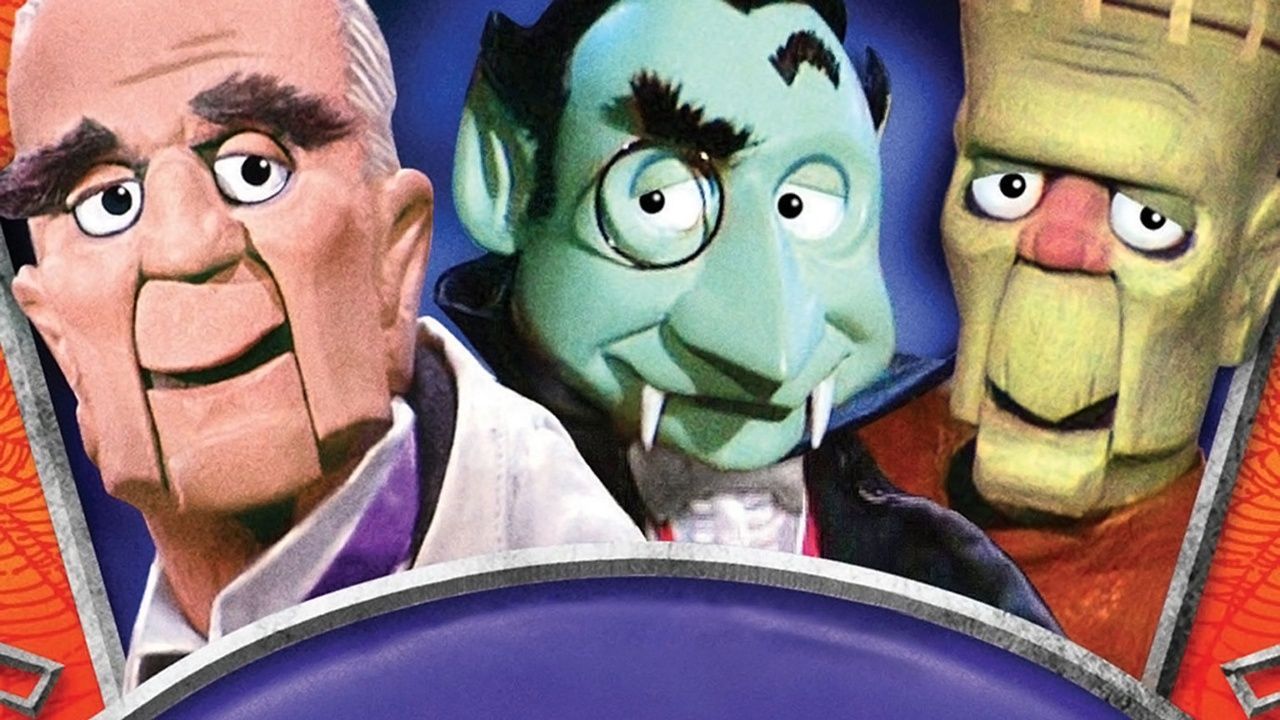
 Star Trek: Strange New Worlds Season 4 There are seasons of Star Trek that boldly go where no Trek has gone before. Then there’s Season 4 of Star Trek: Strange New Worlds, which apparently threw a dart at a board covered in random television genres and said, “Yeah. That one.” Ghost story? Check. Dinosaur adventure? Check. Soap opera? Check. Puppets? Yep. Puppets. Fairy tale? Naturally. A hangover comedy? Why the hell not? At some point, I stopped wondering what Strange New Worlds was going to do next and started wondering whether the writers had simply raided the Paramount+ writers’ room refrigerator at 3 a.m. and started throwing whatever they found into the script. And here’s the frustrating part: some of it works. Some of it is genuinely funny, imaginative and charming. Other parts feel like the kind of episode you would expect to find buried on a forgotten DVD labeled Star Trek: Weird Shit We Had Lying Around. I honestly cannot decide whether Season 4 is the worst Trek I’ve ever watched or the most daring. And somehow, that might be the most Star Trek thing about it.Star Trek: Strange New Worlds • Season 4
 - Primetime
 Robert Pattinson’s performance as Chris Hansen in Primetime is, to put it politely, a choice. His portrayal is wildly exaggerated, occasionally cartoonish, and completely committed to the larger than life persona of the man behind To Catch a Predator. And honestly, that’s what makes it work. Pattinson isn’t simply playing Hansen, he’s playing the mythology of Chris Hansen. The film never feels interested in portraying the predators as victims of their own obsessions. Instead, it explores the uncomfortable morality of Hansen’s mission and how the line between journalism, entertainment, and obsession can become increasingly blurry. At times, Hansen feels less like a reporter and more like a man convinced he’s waging war against evil itself. That idea gets especially weird when he tells one of his employees about a missing-children case he covered overseas, a story that gradually veers into supernatural territory. Suddenly, this isn’t just about catching criminals. They’re battling some ancient, primordial evil hiding beneath the surface of humanity. And then there’s Skyler Gisondo, who nearly steals the entire movie. His earnest, wide eyed performance as Dan Plum and his commitment to the decoy role show just how versatile he can be. Visually, Primetime absolutely nails its late 90s/early-2000s atmosphere. The grainy 4:3 presentation, old-school internet, chat rooms, TV flashbacks, and those horrifying dial up sounds make the whole thing feel like a corrupted VHS tape from the early days of the web. Ultimately, Primetime is a bizarre, stylish, darkly funny take on a very recognizable cultural figure. Pattinson’s Hansen may be exaggerated to the point of caricature, but it never feels like simple character assassination. It’s more like a dark parody of the Chris Hansen mythology, wrapped inside a true-crime story that tip toes around a supernatural element. If you grew up watching To Catch a Predator or you’re a fan of true crime and strange, unconventional filmmaking, this one is absolutely worth a watch. A24 does it again!Primetime
 - Furious
 Hulu brings us Emmy Rossum’s FBI agent Alice Black and Lola Petticrew’s Catherine Grace in the new crime thriller, Furious, The series focuses on two seriously damaged women who want revenge for the same thing that happened to them by the same people. However both want to achieve that goal in very opposite ways. Petticrew is particularly fantastic as Catherine, essentially a female Dexter with a much smaller kill list. Her targets are wealthy older men who preyed on young girls, including herself. She believes she’s delivering justice where the system failed. The problem is that once you start deciding who deserves to die, that moral high ground gets pretty damn slippery. Rossum’s Alice is the fascinating counterpoint. She wants to do the right thing, but her own traumatic past and increasingly questionable choices slowly drag her toward the same darkness Catherine has already embraced. That’s what makes Furious work. These women are more alike than either would probably admit, and their stories gradually reveal how deeply their pasts are intertwined. The series does a great job exploring the ugly space between wanting to do good and becoming comfortable doing terrible things. The cast is excellent, but Rossum and Petticrew absolutely carry the show. Their performances make Alice and Catherine complicated, sympathetic, disturbing, and occasionally downright terrifying. And now I desperately need Season 2 because the biggest question isn’t what will become of Catherine. It’s how far Alice will continue to fall now that she’s jumped into the abyss…Furious
 - Run Hide Fight: Infidels
 Run Hide Fight: Infidels is the kind of movie that happily kicks the political hornet’s nest and then dumps gasoline on it. The latest Daily Wire feature is controversial by design, portraying a pro-Palestinian campus protest being exploited by Islamic extremists who use the demonstrators as pawns before turning on them when their usefulness runs out. As much as Jonathan Majors dominates the advertising, he’s unfortunately not the main character. The movie belongs largely to its younger ensemble, who find themselves trapped in an increasingly brutal campus siege. The action is where Infidels really shines. The violence is bloody, nasty, and unapologetically excessive, giving the movie a schlocky ‘80s action vibe. Unfortunately, that creates its biggest problem: the film can’t decide whether it wants to be a ridiculous throwback action flick or a serious political thriller. Sometimes it manages both, and sometimes the two sides crash into each other. Still, Infidels deserves credit for refusing to play it safe. It’s provocative, messy, occasionally ridiculous, and surprisingly entertaining. Just don’t expect subtlety. And if you’re spending your weekends waving a Palestine flag while complaining about capitalism over while sipping on an 8 dollar coffee, this probably isn’t going to be your thing.Run Hide Fight: Infidels
 - Resident Evil
 The Resident Evil live action history has been mid at best. From the action heavy Milla Jovovich series of films, to a forgettable Netflix series, and a less than memorable attempt at a big screen reboot with 2021’s Resident Evil: Welcome to Raccoon City. Sadly director Zach Cregger’s 2026 iteration of the popular video game franchise doesn’t raise the bar any higher than it’s predecessors. The film follows a likeable every man, Bryan, played by actor Austin Abrams. Bryan is a courier who gets persuaded to deliver a mysterious package to Raccoon City. One thing leads to another and Bryan finds himself fending off crazed and infected people. Despite a few well placed Easter eggs for longtime fans of the video game franchise, the similarities between this movie and the game end there. The film creates great tension and some pretty good jump scares. Making Bryan just an average Joe and not some kung fu fighter or secret agent protagonist like we have seen in other RE iterations was a nice change of pace. He’s low on ammo and he’s in way over his head. Adding even more sense of danger to the situation. The film also manages to pepper in some comedic beats that more or less hit the mark. A few nervous chuckle moments to help break the tension between jump scares. But it never descends into parody accept towards the film’s wonky ending. I hate when a third act fails to live up to a film’s stellar first two acts. It just spoils the rewatchability of a film. RE gets to jokey towards the end and leaves you wondering what was the point of even rooting for Bryan. Other fans might give it some grace because the first half of the film is so strong but for me it just falls flatter than kamikazi zombies leaping off buildings. It’s a fun horror film just not a very memorable one.Resident Evil